
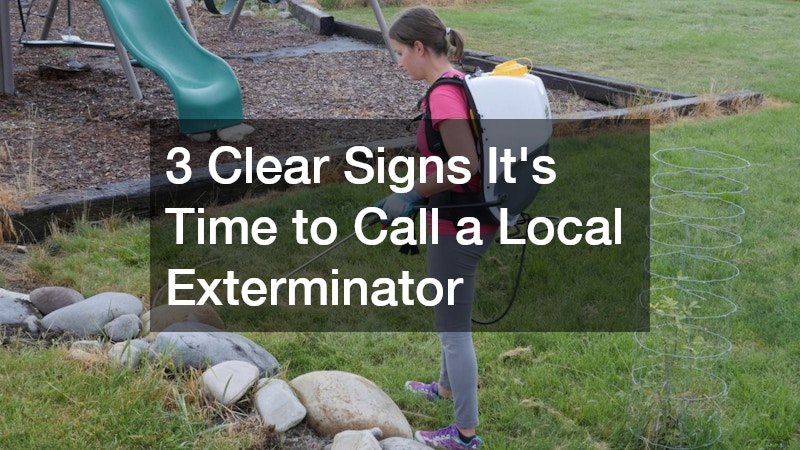
Pests have a way of making themselves known at the worst possible times. What may start as a minor inconvenience can quickly develop into a serious problem that affects your comfort, property, and even your health. While some homeowners attempt do-it-yourself solutions, there comes a point when professional intervention is the most efficient and cost-effective choice. Recognizing the warning signs early can help you prevent extensive damage and avoid prolonged stress.
1. Persistent Pest Sightings Despite DIY Efforts
Seeing a single ant or spider in your home does not always signal a full-scale infestation. However, repeated sightings of the same type of pest over several days or weeks often indicate a deeper issue.
If you have set traps, sprayed store-bought treatments, or sealed visible cracks and the pests keep returning, the problem is likely more complex than it appears.
Insects such as termites, cockroaches, and ants often nest in hidden spaces like wall voids, crawl spaces, and behind appliances. Rodents can travel through insulation, attics, and ductwork, making them difficult to eliminate without specialized knowledge and equipment. Surface-level treatments may temporarily reduce visible activity, but they rarely address the root cause. When pests continue to appear despite your best efforts, it is a strong indication that the infestation extends beyond what you can see.
Professional exterminators conduct thorough inspections to identify nesting sites, entry points, and contributing environmental factors. They understand pest biology and behavior patterns, which allows them to implement targeted treatment plans rather than broad, reactive measures. If you find yourself repeatedly purchasing products that fail to resolve the issue, contacting a local exterminator can save both time and money in the long run.
2. Visible Property Damage or Structural Concerns
Another unmistakable sign that professional help is necessary involves damage to your property. Certain pests do not just create nuisances. They compromise structural integrity and cause costly repairs if left untreated. Termites are a prime example. These insects feed on cellulose found in wood and can silently weaken beams, flooring, and framing over time. By the time visible damage appears, the infestation may already be extensive.
Rodents present similar risks. Mice and rats chew through drywall, insulation, and even electrical wiring. This behavior not only damages materials but also increases the risk of fire hazards. Gnaw marks, droppings, shredded insulation, and greasy rub marks along baseboards are all signs of rodent activity that should not be ignored.
Carpenter ants, while different from termites, can also tunnel through wood to create nesting galleries. Unlike termites, they do not consume wood, but the structural weakening can still be significant. If you notice hollow-sounding wood, sagging floors, small piles of sawdust-like debris, or unexplained holes, immediate action is critical.
Structural damage is rarely a minor issue. Addressing it promptly helps prevent escalating repair costs and further deterioration. A trained professional can assess the extent of the infestation, determine the specific pest species involved, and implement an appropriate eradication strategy. When your home shows physical signs of pest-related harm, delaying action only increases risk. This is a situation where contacting a local exterminator is a prudent decision.
3. Unusual Odors, Noises, or Health Symptoms
Not all pest problems are immediately visible. Sometimes the earliest indicators are subtle changes in your environment. Persistent musty or ammonia-like odors can signal rodent infestations. Cockroaches produce an oily, unpleasant smell when populations grow large. Bed bugs may leave a faint, sweet odor in heavily infested areas.
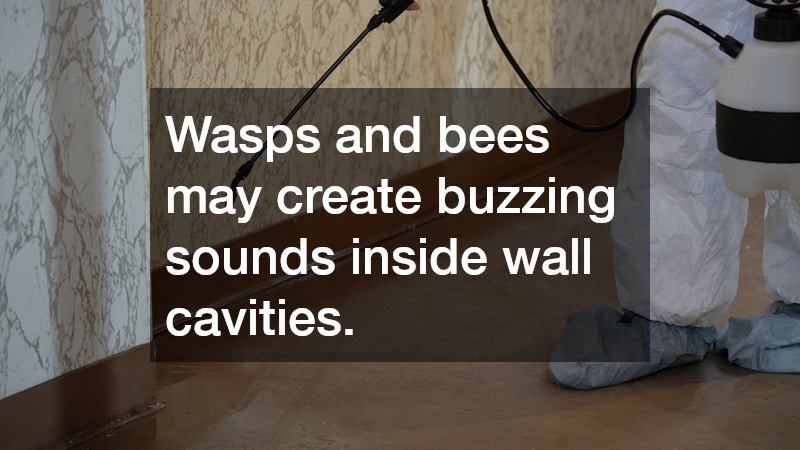
Noises are another red flag. Scratching, scurrying, or gnawing sounds within walls or ceilings, particularly at night, often point to rodents. Wasps and bees may create buzzing sounds inside wall cavities. Ignoring these auditory clues can allow colonies to expand unchecked.
Health-related symptoms can also serve as warning signs. Increased allergy flare-ups, unexplained bites, or respiratory irritation may be linked to pest presence. Cockroach droppings and shed skins can exacerbate asthma. Rodent urine and droppings may introduce bacteria and allergens into indoor air. In some cases, pests can transmit diseases directly or contaminate food sources if not attended to promptly.
Pest issues rarely resolve themselves, and early intervention often makes the difference between a manageable situation and a costly ordeal. Persistent sightings despite DIY treatments, visible property damage, and unexplained odors or health symptoms are three clear indicators that professional assistance is warranted. By acting promptly and engaging a local exterminator when these warning signs appear, homeowners can protect their investment, safeguard their health, and restore peace of mind.
