
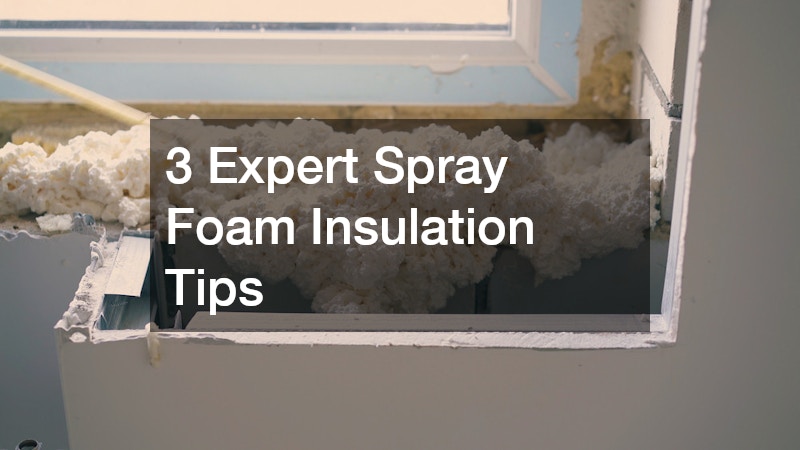
When it comes to improving your home’s energy efficiency, choosing the right insulation can make a significant difference. Among the available options, spray foam insulation stands out for its ability to seal gaps and prevent heat loss more effectively than traditional materials. While it offers substantial benefits, proper installation and maintenance are key to maximizing its performance. Here are three expert tips to help homeowners and contractors get the most out of their foam insulation projects. By understanding the nuances of application and care, you can ensure that your investment in insulation delivers long-term comfort and savings.
1. Understand the Types and Applications
Foam insulation is not a one-size-fits-all solution. There are two main types: open-cell and closed-cell. Open-cell foam is softer and more flexible, making it ideal for interior walls, attics, and spaces where soundproofing is important. Closed-cell foam is denser, providing superior structural support and moisture resistance, which makes it suitable for exterior walls, basements, and areas prone to water exposure. Choosing the right type of foam for your project is essential, as using the wrong one can lead to inefficiencies, such as inadequate thermal performance or moisture problems.
Additionally, consider the specific areas of your home that will benefit most from spray foam. Attics, crawl spaces, and basements are common targets because they are often the sources of heat loss and drafts. However, even within these areas, attention to detail is crucial. Small gaps around windows, doors, or plumbing penetrations can undermine the effectiveness of the insulation. An expert approach involves evaluating each space individually, noting where air leaks occur, and applying the foam precisely to cover these areas without overspray, which can be wasteful and messy.
2. Prioritize Professional Installation
While spray foam insulation can be applied by homeowners in some cases, professional installation is highly recommended for optimal results. The process requires specialized equipment, proper safety gear, and careful handling of chemicals. Professionals are trained to mix the two components of the foam correctly, ensuring it expands and cures properly. Improper mixing or application can lead to voids, uneven coverage, and even off-gassing issues that could affect indoor air quality.
Beyond technical skill, professionals bring efficiency to the project. They know how to maintain consistent coverage across surfaces and how to manage tricky areas such as corners, joists, and tight spaces. Additionally, experienced installers can provide guidance on the appropriate foam thickness and density for your climate and building type. Thicker applications may provide better insulation, but over-application can stress structural components or increase costs unnecessarily. Partnering with a licensed installer minimizes risks and ensures that the insulation delivers maximum energy savings.
3. Maintain and Inspect Over Time
Foam insulation is durable, but it is not completely maintenance-free. Over time, minor issues can arise, especially in areas exposed to moisture or structural movement. Regular inspection helps identify gaps, cracks, or compression that may compromise the insulation’s performance. Homeowners should periodically check attics, crawl spaces, and wall cavities for signs of damage, paying attention to any areas where water intrusion or pests could affect the foam.
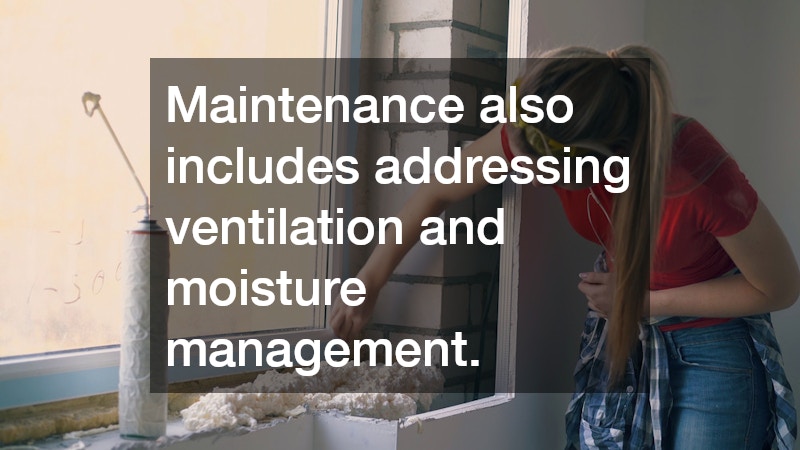
Maintenance also includes addressing ventilation and moisture management. While spray foam creates an effective air barrier, it can trap humidity if the surrounding environment is not properly managed. Installing vapor barriers where necessary and ensuring proper airflow in attics and basements can prevent mold growth and prolong the life of the insulation. When any deficiencies are found, prompt repair is crucial. Even small fixes can prevent energy loss and protect the structural integrity of your home. In some cases, additional foam may need to be applied to maintain optimal coverage and performance.
Spray foam insulation offers impressive energy efficiency and air-sealing capabilities, but achieving the best results requires knowledge, skill, and ongoing attention. Selecting the appropriate type of foam and applying it strategically ensures that each area of the home is properly insulated. Professional installation reduces risks and guarantees precise coverage, while regular maintenance and inspection keep the system performing at its peak. By following these expert tips, homeowners can maximize comfort, lower energy bills, and extend the lifespan of their insulation investment. With careful planning and proper care, foam insulation becomes more than just a material—it becomes a long-term solution for a more efficient and resilient home.
