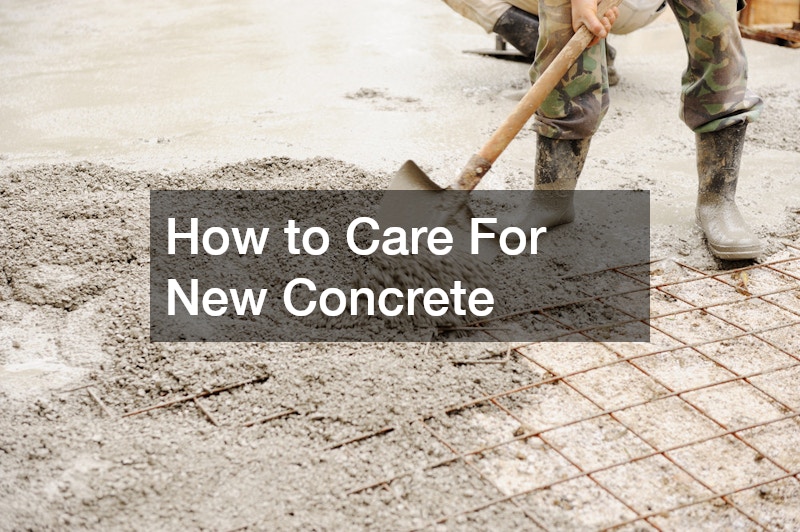
Caring for newly installed concrete is essential if you want it to remain strong, durable, and visually appealing for years to come. While concrete is known for its long lifespan, it still requires proper aftercare—especially during the first several weeks. Whether you’ve poured a new patio, driveway, walkway, or foundation, taking the right steps early on prevents cracking, discoloration, and premature wear. Working with a knowledgeable residential concrete contractor helps ensure proper installation, but your maintenance afterward also plays a major role in preserving the final result.
Below are the key things every homeowner should know about caring for new concrete.
Understanding the Curing Process
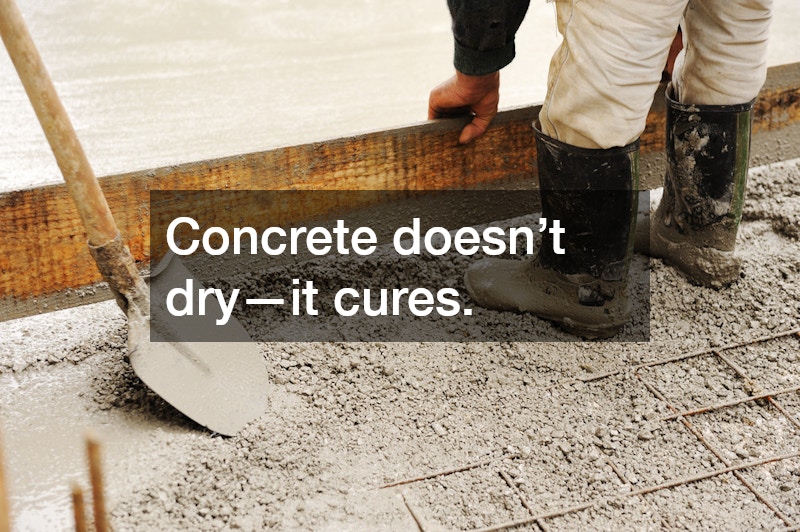
Concrete doesn’t dry—it cures. This means it undergoes a chemical reaction that strengthens the material over time.
Most concrete reaches around 70% of its strength in the first week, but full curing can take up to 28 days or more. During this period, it’s important to avoid unnecessary stress on the surface.
A qualified residential concrete contractor will explain the curing timeline specific to your project, as factors like weather, thickness, and mix design can influence the process. No matter the details, keeping moisture consistent and preventing early damage are crucial to long-term performance.
Keep the Surface Moist and Protected
One of the most important steps in early concrete care is keeping the surface properly hydrated. Concrete that dries too quickly can develop cracks and surface weakness. Many contractors recommend lightly misting the concrete a few times a day during the first week, especially in hot or windy conditions.
Your residential concrete contractor may also apply a curing compound or recommend covering the surface with plastic sheeting for a short period. These methods reduce evaporation and help the concrete cure evenly. Protecting the surface from heavy rain during the first 24 hours is also important, as excessive water can weaken the finish.
Avoid Foot Traffic Too Early
Even though concrete begins to harden within hours, it’s not ready for foot traffic right away. Most homeowners can typically walk on newly poured concrete after 24 to 48 hours, but timing varies based on environmental conditions.
A seasoned residential concrete contractor will advise you on when it’s safe to access the area. Walking on the concrete too soon can leave imprints or damage the surface, especially if the finish hasn’t fully set. Pets should also be kept off the area during this time, as claws can scratch or dent soft concrete.
Keep Vehicles Off for Several Days
Driveways and parking areas require even more caution. Concrete may appear solid after a few days, but it lacks the strength needed to support vehicles until it has cured longer. Most professionals recommend waiting at least a week before allowing light cars on a new driveway and up to 30 days for heavier trucks.
Your residential concrete contractor will provide guidelines based on the mix and thickness used. Ignoring these recommendations risks cracking, rutting, or spalling, which can be costly to repair later.
Prevent Early Stains and Surface Damage
New concrete is more porous and susceptible to stains until it fully cures. Avoid placing planters, grills, or outdoor furniture directly on the surface for at least a week or two. These items can trap moisture or leave discoloration.
Additionally, steer clear of using de-icing salts or harsh chemicals on new concrete. These can break down the surface and contribute to scaling or pitting. A knowledgeable residential concrete contractor can suggest safe products for winter maintenance once the concrete has matured enough to handle them.
Control Water Runoff Around the Area
Proper drainage plays a major role in concrete longevity. Standing water can deteriorate the surface over time, especially during the early curing stages. Ensure gutters, downspouts, and yard grading direct water away from your concrete to prevent erosion or pooling.
If your home’s layout makes drainage complicated, a residential concrete contractor can recommend solutions such as French drains, swales, or regrading. Taking action early prevents long-term issues like cracking or slab movement.
Seal the Surface for Added Protection
Sealing your concrete isn’t always required, but it provides an extra layer of protection against moisture, stains, and surface wear. Many homeowners choose to apply a sealant after the concrete has fully cured, usually around the 28-day mark.
A professional residential concrete contractor can recommend the best type of sealer based on how the concrete will be used. For example, driveways often benefit from penetrating sealers that strengthen the material, while patios may use acrylic sealers for enhanced appearance.
Avoid Heavy Loads and Sharp Impacts
New concrete is durable, but it’s still vulnerable to sudden force while curing. Avoid dragging heavy objects, placing dumpsters, or using metal tools that could chip or scratch the surface. Even after initial curing, large concentrated loads should be avoided until the slab is fully strengthened.
Your residential concrete contractor can explain the load limits for your particular installation and advise you on when normal use can safely resume.
Monitor and Maintain the Surface Long-Term
Even after the concrete has cured, ongoing maintenance helps preserve its appearance and structure. This includes cleaning it periodically, resealing when needed, and addressing cracks early before they spread.
A reliable residential concrete contractor may offer long-term maintenance guidance or services to keep your concrete in optimal condition. Regular care ensures the slab remains strong and attractive for decades, protecting your investment.
New concrete requires thoughtful attention, especially during the first month. By following proper curing and care practices—and consulting with a skilled residential concrete contractor—you’ll give your concrete the best chance at lasting performance and long-term beauty.