As we continue to seek sustainable ways to power our homes, solar energy has emerged as a paramount solution. Solar power not only reduces our dependency on fossil fuels, but it also offers a plethora of environmental benefits that support a healthier planet.
In this article, we explore the significant environmental advantages of adopting solar energy for residential use.
Reduction in Carbon Footprint
One of the most compelling environmental benefits of installing solar panels on your home is the significant reduction in carbon footprint. By using solar energy, which is a clean and renewable resource, we minimize the emissions of harmful greenhouse gases. Unlike traditional fossil fuel-based electricity, solar energy produces no carbon emissions during its generation process.
A typical residential solar power system can save tons of CO2 emissions annually compared to reliance on fossil fuels. This reduction plays an essential role in combating climate change, as greenhouse gases are a major contributor to global warming. Moreover, as more households switch to solar, the collective decrease in emissions can have a substantial positive impact on the environment.
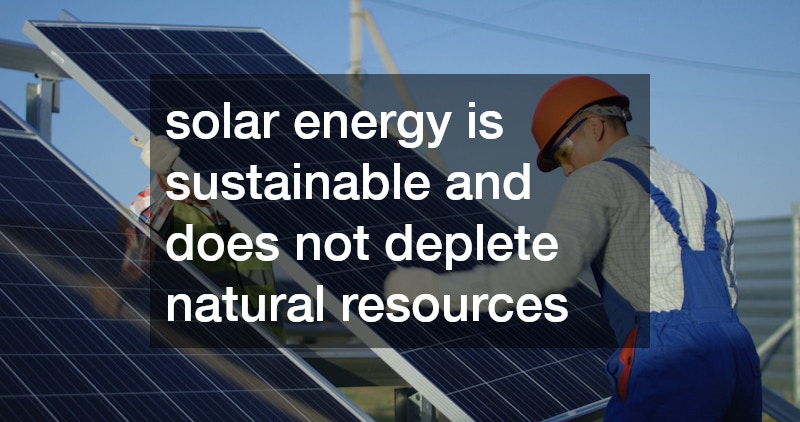
Furthermore, solar energy is sustainable and does not deplete natural resources, unlike coal or natural gas. The sun provides an inexhaustible supply of energy, making solar panels a wise long-term investment for environmentally-conscious homeowners. By turning sunlight into electricity, we harness a power source that is abundant and available worldwide.
Conservation of Water Resources
Water conservation is another significant environmental benefit offered by solar energy. Traditional power generation processes, such as those used in coal or nuclear plants, require vast amounts of water for cooling and other operations. In contrast, solar panels need negligible water to generate electricity, conserving precious water resources.
During times of drought or in arid regions, the water-saving aspect of solar energy becomes even more critical. By minimizing the demand for water, solar power helps maintain ecological balance and ensures that water remains available for essential uses, such as agriculture and personal consumption. This benefit is particularly important as we face increasing water scarcity issues globally.
Moreover, solar energy systems do not pollute local water resources. Traditional energy plants can contaminate water bodies with pollutants like heavy metals and toxic chemicals, leading to environmental degradation. Solar panels eliminate this risk, supporting healthier ecosystems and contributing to cleaner water supplies for surrounding communities.
Minimizing Air Pollution
Solar energy significantly contributes to the reduction of air pollution, which is a major health and environmental concern. Burning fossil fuels releases pollutants such as sulfur dioxide, nitrogen oxides, and particulate matter into the atmosphere. These pollutants are known to cause respiratory problems and other health issues in humans and wildlife.
By choosing solar power for your home, you help decrease the overall amount of pollutants released into the air. Solar panels generate electricity without combustion, producing zero air pollutants during operation. This cleaner method of energy production leads to improved air quality and helps protect public health.
The reduction in air pollution also has far-reaching environmental benefits. Cleaner air supports biodiversity by creating a more hospitable environment for plants and animals. Healthier ecosystems in turn support a greater balance in nature, making solar energy a key player in nurturing our planet’s ecological integrity.
Limitations of Solar Energy
While solar energy offers many environmental benefits, it is essential to consider its limitations. Solar power generation is dependent on sunlight, which means it is less effective during cloudy days or at night. This variability can make it challenging for some homeowners to rely solely on solar energy without a supplementary power source.
The initial cost of installing solar panels can also be a deterrent for some individuals despite the long-term savings and environmental benefits. However, government incentives and rebates have helped mitigate these costs for many homeowners, making solar energy increasingly accessible. It’s crucial to weigh these factors when considering a transition to solar power for residential use.
Another factor to consider is the energy and resources required for manufacturing solar panels. While the production of solar panels has become more sustainable over the years, it still involves some environmental costs. Despite these considerations, the benefits of using solar energy for homes still significantly outweigh the drawbacks when evaluating the broader environmental impact.
In conclusion, the adoption of solar energy for residential purposes offers numerous environmental benefits, from reducing carbon footprints to conserving water resources. By minimizing air pollution and supporting healthier ecosystems, solar power helps pave the way for a more sustainable future. Despite some limitations, the positive impacts on the environment make solar energy an invaluable addition to modern homes.
As technology continues to evolve, solar power systems are becoming more efficient and cost-effective. For many homeowners, transitioning to solar energy represents not just an investment in their property, but also a commitment to environmental stewardship. With ongoing advancements and increasing awareness, solar energy is poised to become a cornerstone of sustainable living.
By harnessing the power of the sun, we have the opportunity to create a cleaner, healthier planet for future generations. The shift to solar energy is not just about saving on energy bills; it’s about making a positive impact on the world. Embrace solar power today, and be a part of the solution for a greener tomorrow.