Water damage can strike at any time—whether from burst pipes, roof leaks, flooding, or faulty appliances. What may seem like a minor inconvenience can quickly escalate into serious problems that threaten both your health and the structural integrity of your property. Moisture that lingers behind walls, under floors, or within ceilings creates the perfect environment for mold growth and material deterioration. Acting quickly is critical, and that’s where a professional water damage remediation company plays a vital role.
By responding immediately, using specialized equipment, and applying industry-approved techniques, professionals help prevent long-term consequences that can cost thousands of dollars in repairs. Understanding how the remediation process works can give property owners confidence and clarity during a stressful situation.
Extracting Water and Drying
The first and most important step in preventing mold and structural damage is rapid water removal. Standing water can begin soaking into drywall, insulation, wood framing, and flooring materials within minutes. The longer moisture remains, the higher the risk of permanent damage.
A qualified water damage remediation company uses industrial-grade pumps and vacuums to extract water quickly and efficiently. Unlike household wet/dry vacuums or fans, professional equipment is designed to handle large volumes of water and reach hidden pockets of moisture. After extraction, technicians deploy high-powered air movers and dehumidifiers to accelerate the drying process.
Moisture detection tools such as infrared cameras and hygrometers allow specialists to identify damp areas that are not visible to the naked eye. These tools are crucial because unseen moisture trapped inside walls or beneath flooring can lead to mold colonies forming within 24 to 48 hours.
By ensuring that affected materials are completely dry—not just surface dry—a water damage remediation company significantly reduces the likelihood of mold growth. This proactive approach saves homeowners from future health risks and prevents costly reconstruction projects.
Preventing Mold
Mold thrives in dark, damp environments. After water intrusion, porous materials like drywall, carpet padding, and insulation become prime breeding grounds. Once mold begins to grow, it can spread rapidly, releasing spores into the air that may cause respiratory problems, allergies, and other health issues.
A professional water damage remediation company doesn’t just dry the area; it also implements preventative treatments to inhibit microbial growth. Antimicrobial and antifungal solutions are applied to affected surfaces to eliminate bacteria and reduce mold risk. In cases where materials are too saturated or contaminated, technicians may remove and safely dispose of them to prevent further spread.
Air filtration is another critical component of mold prevention. High-efficiency particulate air (HEPA) filters capture airborne spores and improve indoor air quality during the cleanup process. This containment strategy is especially important in larger properties or commercial spaces where mold can easily travel through HVAC systems.
Early intervention is key. The faster a water damage remediation company begins work, the less opportunity mold has to take hold. By combining rapid drying with sanitation protocols, professionals address both visible damage and hidden threats, protecting occupants and restoring a safe indoor environment.
Protecting Structural Integrity
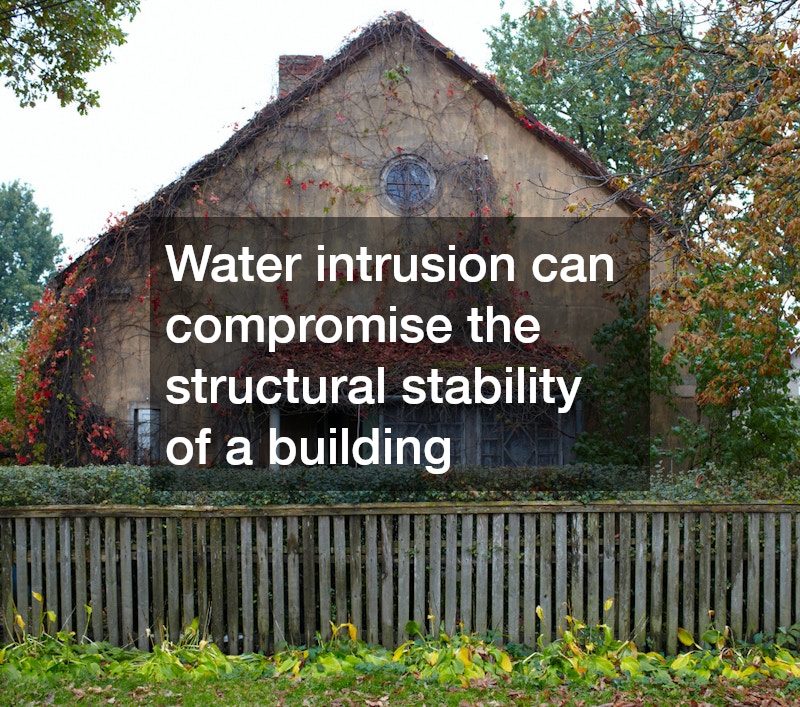
Beyond mold concerns, water intrusion can compromise the structural stability of a building. Wood framing may warp or rot, metal components can corrode, and concrete can weaken over time if moisture remains trapped. Even minor leaks can gradually erode a property’s foundation and support systems.
A reliable water damage remediation company conducts detailed structural assessments after water extraction. Technicians evaluate load-bearing elements, subfloors, beams, and support structures to determine the extent of the damage. By identifying vulnerabilities early, they help prevent more serious failures down the line.
Drying structural materials thoroughly is essential. Wood, for example, absorbs water quickly and can swell, crack, or decay if not properly dried. Using calibrated moisture meters, professionals monitor drying progress until materials reach safe moisture content levels. This careful monitoring ensures that the structure returns to a stable condition before reconstruction or repairs begin.
In addition, a water damage remediation company may coordinate necessary repairs to reinforce weakened areas. Replacing damaged drywall, insulation, and flooring not only restores the property’s appearance but also ensures that hidden structural components remain secure.
By addressing both immediate and underlying damage, remediation experts safeguard the longevity of the building. Preventing structural deterioration today means avoiding extensive renovations or even unsafe living conditions in the future.
Water damage is more than a temporary inconvenience—it is a serious threat that can lead to mold infestations, health hazards, and structural instability. Quick action is essential to minimize long-term consequences. A professional water damage restoration company provides the expertise, equipment, and systematic approach needed to control moisture, prevent microbial growth, and protect the integrity of your property.
From rapid water extraction and advanced drying methods to mold prevention and structural assessments, every step of the remediation process is designed to stop further damage before it begins. By trusting a qualified water damage remediation company, property owners can reduce repair costs, maintain a safe indoor environment, and ensure their home or business remains strong for years to come.