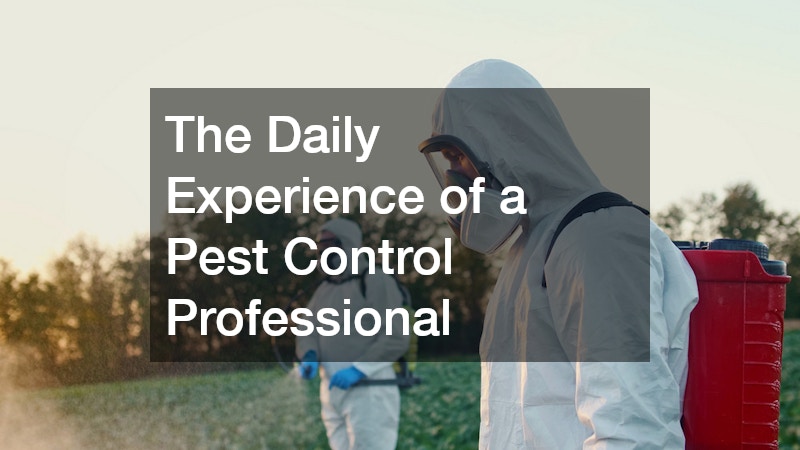
Pest control professionals play a critical role in creating safe, healthy environments by tackling pest challenges in residential and commercial settings. This document explores their responsibilities, challenges, and rewards.
What Does a Typical Day Look Like?
Starting the Day: Preparation and Planning
Each day for a pest control professional involves preparation and planning to address unique challenges. This includes assessing schedules, reviewing client histories, and ensuring all necessary equipment is ready.
Staying updated with industry innovations helps maintain service quality and client satisfaction.
Traveling and Meeting Clients
Travel is a significant part of a pest control professional’s day, requiring efficient logistics to ensure timely arrivals. Arriving on time builds trust, while effective communication with clients involves interpreting concerns and explaining solutions clearly.
Conducting Pest Inspections
Inspections are crucial, requiring careful examination of pest activity and potential entry points. Professionals use technology and keen attention to detail for effective assessments, leading to comprehensive pest management strategies and thorough documentation.
Implementing Pest Control Solutions
Implementing solutions involves a range of methods, each requiring a consideration of impact and safety. Professionals employ creativity and adaptability to customize solutions, educate clients on preventive measures, and ensure effective pest management practices.
Administrative Tasks and Follow-ups
Administrative duties include scheduling, invoicing, and maintaining records. Follow-up visits and feedback collection enhance service quality and client satisfaction while ensuring operational readiness and efficiency.
What Skills are Essential for Success?
Technical Knowledge of Pest Management
Technical proficiency, including understanding different pests and treatments, is foundational. Certifications and training ensure professionals remain informed about technologies and laws, combining formal education and hands-on experience for effective pest management.
Problem-Solving and Adaptability
Strong problem-solving skills are essential for addressing unique situations, adapting strategies quickly, and continuously improving methods through training and evaluation of past experiences.
Customer Service and Communication
Good customer service entails professionalism and empathy, with clear communication both verbally and through documentation. Building rapport fosters long-term relationships and client satisfaction.
Attention to Detail
Attention to detail is vital, ensuring thorough inspections, precise treatments, and compliance with safety protocols. Advanced technological tools assist in maintaining high service standards.
Physical Stamina and Safety Awareness
Physical stamina supports the demanding work of pest control, while safety awareness, especially in handling chemicals, is crucial. Regular training helps professionals manage risks effectively.
How Do Pest Control Professionals Stay Safe?
Understanding Safety Protocols
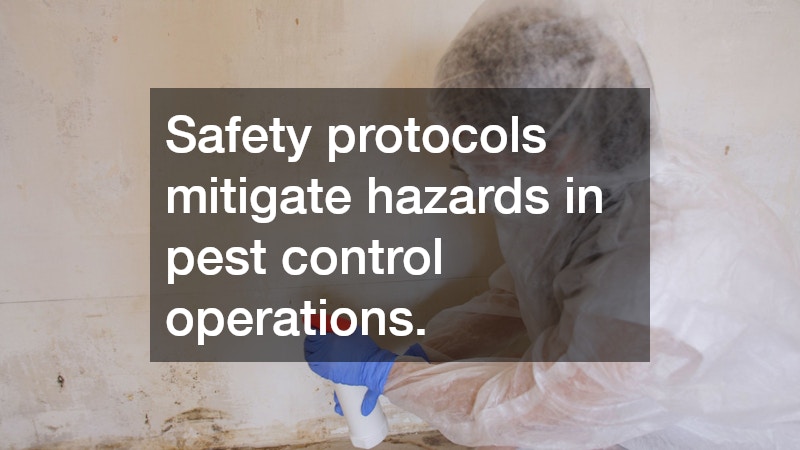
Safety protocols mitigate hazards in pest control operations. Regular updates and adherence to these protocols ensure effective, secure service delivery and reinforce client trust.
Using Personal Protective Equipment (PPE)
Proper use and maintenance of PPE are vital for reducing risks. Training reinforces the importance of PPE, ensuring professionals conduct tasks safely.
Chemical Safety and Regulations
Understanding chemical properties and adhering to regulations ensure safety and environmental protection. Continuous learning about regulations minimizes risks and reinforces public trust.
Training and Certifications
Certification programs and ongoing training ensure professionals remain competent and up-to-date with industry standards, contributing to their credibility and excellence in service.
Handling Risky Situations Effectively
Proper risk management involves thorough preparation and adherence to safety protocols, allowing professionals to handle unexpected challenges safely and reliably.
How Do They Keep Up with Industry Trends?
Continuous Education and Training
Continuous education about new developments enhances a pest control professional’s competence and competitiveness, encouraging innovation and adaptability.
Networking with Industry Peers
Networking facilitates knowledge sharing and collaboration, offering insights into industry trends and enhancing professional growth.
Staying Updated with Technological Advances
Remaining current with technological advancements ensures efficiency, cost-effectiveness, and client trust. Embracing new technologies distinguishes professionals in the market.
Adapting to Regulatory Changes
Staying informed and adapting to regulatory changes maintain compliance, ensuring reliability and customer trust in evolving industry landscapes.
Participation in Pest Control Associations
Associations offer education, networking, and advocacy, supporting professional development and influencing industry standards.
What Are Common Challenges Faced?
Dealing with Unpredictable Situations
Handing unpredictability requires experience, effective communication, and adaptability, ensuring service quality and client satisfaction.
Managing Client Expectations
Clear communication, transparency, and thorough documentation are key to managing client expectations and ensuring strong relationships.
Environmental Concerns and Sustainability
Finding a balance between effective pest management and ecological responsibility is crucial, emphasizing sustainable practices.
Balancing Workload and Personal Life
Effective time management and employer support are essential for balancing work and life, preventing burnout, and promoting career satisfaction.
Handling Difficult Pest Problems
Tackling complex pest issues requires advanced knowledge, continuous learning, and clear communication with clients to succeed and build credibility.
Pest control professionals are vital for public health, showcasing adaptability, communication, and continuous learning in their profession, ensuring dependable service and fostering personal and professional growth.