
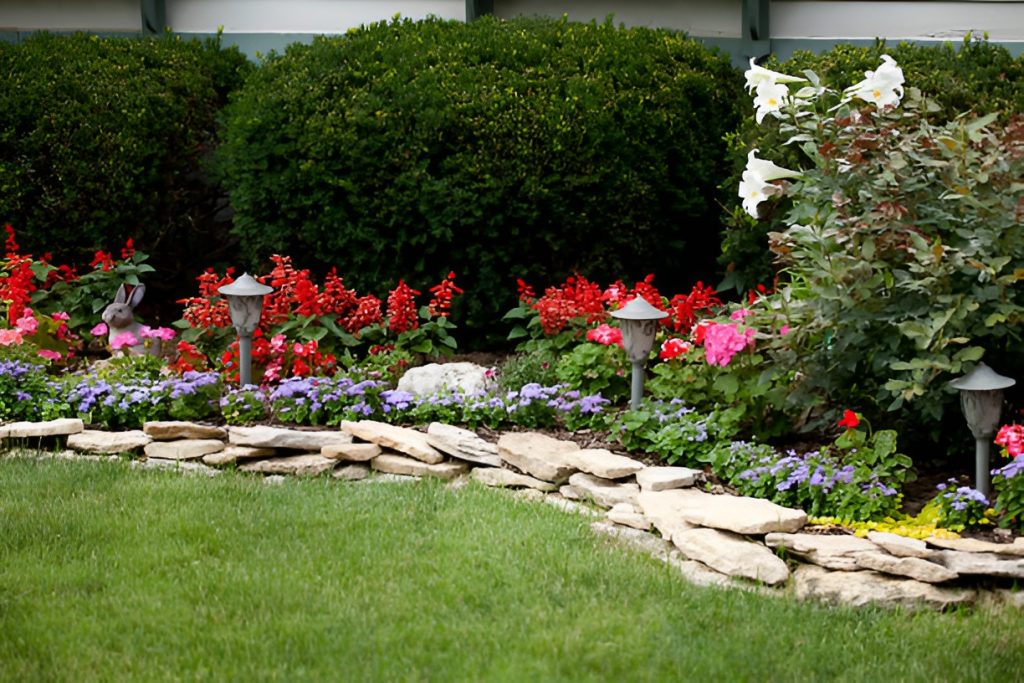
Key Takeaways:
- Rock gardens are low-maintenance alternatives to lawns, reducing watering, mowing, and upkeep.
- Different styles create different moods, from Zen minimalism to desert or colorful floral designs.
- They work in almost any space, including small yards, patios, balconies, and slopes.
- Functional elements like pathways, seating areas, and terraces improve usability.
- Drought-tolerant plants like succulents and lavender enhance both beauty and efficiency.
- Rock gardens improve drainage, reduce erosion, and increase long-term landscape stability.
- The best designs balance structure, texture, and creativity for a cohesive look.
Rock gardens have become one of the most popular landscaping choices for homeowners who want a beautiful outdoor space without the constant upkeep that traditional lawns and flower beds require. Whether you’re dealing with dry soil, a small yard, or simply want something more modern and structured, rock garden designs offer flexibility, durability, and visual appeal.
The best part is that rock gardens are not just practical—they can also be incredibly stylish. From minimalist Zen-inspired layouts to colorful desert landscapes, there are endless ways to design with stones, gravel, and drought-tolerant plants.
In this guide, you’ll discover 15 detailed rock garden ideas that can transform your outdoor space into something low-maintenance, functional, and visually striking.
1. Minimalist Zen Rock Garden for Calm Outdoor Spaces
A Zen rock garden is built around simplicity, balance, and intentional emptiness. Instead of filling the space with too many elements, the design focuses on carefully placed stones and smooth gravel that create a calm, meditative atmosphere. The result is not just a garden, but a visual experience that encourages stillness and reflection.
These gardens often rely on symbolism. Large stones may represent mountains or islands, while raked gravel mimics water or flowing movement. Because of this, placement is never random—every element is positioned with purpose, even if the final look appears effortless.
Maintenance is minimal, which makes this style ideal for busy homeowners or small courtyard spaces where simplicity is more valuable than complexity.
Key features include:
- Raked gravel patterns that mimic flowing water
- Large, intentional stone placements
- Minimal plant use such as moss or small shrubs
- Open space that emphasizes balance and symmetry
2. Front Yard Rock Garden with Curb Appeal Focus
A front yard rock garden is one of the fastest ways to improve curb appeal while reducing long-term maintenance. Instead of relying on grass that requires regular mowing and watering, this design replaces large sections with gravel beds, structured stone groupings, and accent plants that stay visually appealing throughout the year.
The strength of this design lies in its structure. A well-planned rock garden creates natural flow from the driveway to the entrance while maintaining a clean, organized appearance. Even in changing weather conditions, it retains its form and doesn’t lose visual appeal.
This style works especially well for modern or minimalist homes where clean lines and simplicity matter.
Key features include:
- Decorative gravel pathways leading to the entrance
- Mixed rock sizes for texture and layering
- Accent plants like ornamental grasses or succulents
- Stone edging to define garden boundaries
3. Backyard Rock Garden with Relaxation Zones
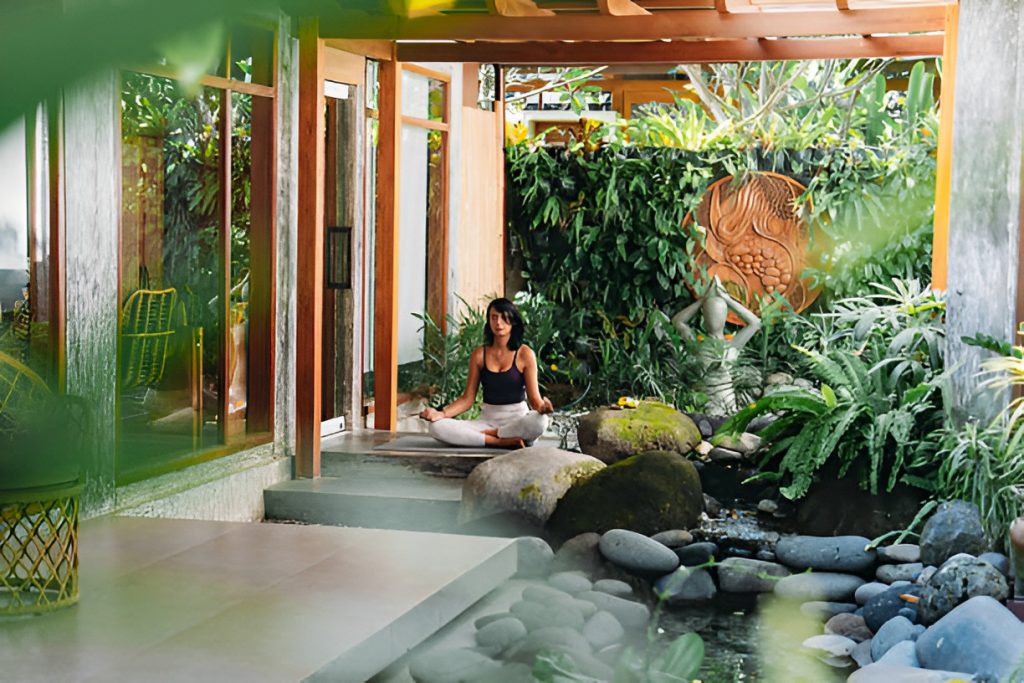
Backyard rock gardens focus more on livability than appearance alone. Instead of treating the entire yard as a single design space, it is divided into functional zones where people can relax, entertain, or move naturally through the landscape. Rocks and gravel provide the structural base for these zones, while plants soften the overall look.
This type of garden often becomes an outdoor extension of the home. Whether it’s a fire pit area or a shaded seating corner, the goal is to make the space usable year-round with minimal upkeep.
It also performs well in different climates since stone-based surfaces handle heat, rain, and drainage more effectively than traditional lawns.
Key features include:
- Stone or gravel seating areas for outdoor furniture
- Fire pit zones surrounded by natural rock layouts
- Pathways connecting different backyard sections
- Built-in seating or retaining stone walls
4. Small Rock Garden Ideas for Compact Spaces
Small rock gardens are proof that limited space doesn’t mean limited design potential. In fact, smaller areas often benefit from rock-based layouts because they reduce clutter and make the space feel more structured. Instead of trying to add too many plants or decorative features, the focus shifts to simplicity and balance.
Even patios, balconies, or narrow side yards can be transformed into miniature landscapes using gravel beds and compact plant arrangements. The key is scale—every element should feel proportionate to the space.
When designed properly, small rock gardens can actually make tight spaces feel larger and more intentional.
Key features include:
- Mini gravel beds with focal stone arrangements
- Container rock gardens for patios or balconies
- Vertical stone features for added depth
- Limited plant varieties for a clean visual flow
5. Low-Maintenance Rock Garden with Drought-Resistant Plants
One of the biggest advantages of rock gardens is how little maintenance they require, especially when paired with drought-tolerant plants. This style is ideal for homeowners who want greenery without the ongoing effort of watering, fertilizing, and trimming.
Instead of relying on traditional garden beds, the design uses gravel and stone as the foundation, with hardy plants added for texture and color. These plants naturally thrive in dry conditions and complement the rugged look of stone landscapes.
Over time, this type of garden becomes even easier to maintain as the ecosystem stabilizes and weeds are naturally suppressed by ground cover materials.
Key features include:
- Succulents, lavender, and ornamental grasses
- Gravel mulch to reduce weed growth
- Grouped planting zones with similar water needs
- Stone borders to retain soil and structure
6. Desert-Inspired Rock Garden with Warm Textures
A desert-style rock garden brings warm tones and natural ruggedness into your outdoor space. It mimics arid landscapes by combining sandy gravel, weathered stones, and drought-resistant plants that thrive in dry conditions. The overall effect is both bold and minimal at the same time.
This design works especially well in sunny areas, but it can also be adapted as a visual theme in non-desert climates. The key is using texture and color to recreate the feeling of a natural desert environment.
Unlike lush gardens, this style focuses on structure and tone rather than greenery density.
Key features include:
- Cacti and succulent plant groupings
- Sand-colored gravel or crushed stone
- Large, natural-looking rock formations
- Warm earthy tones like tan, rust, and beige
7. Rock Pathway Garden for Functional Landscaping
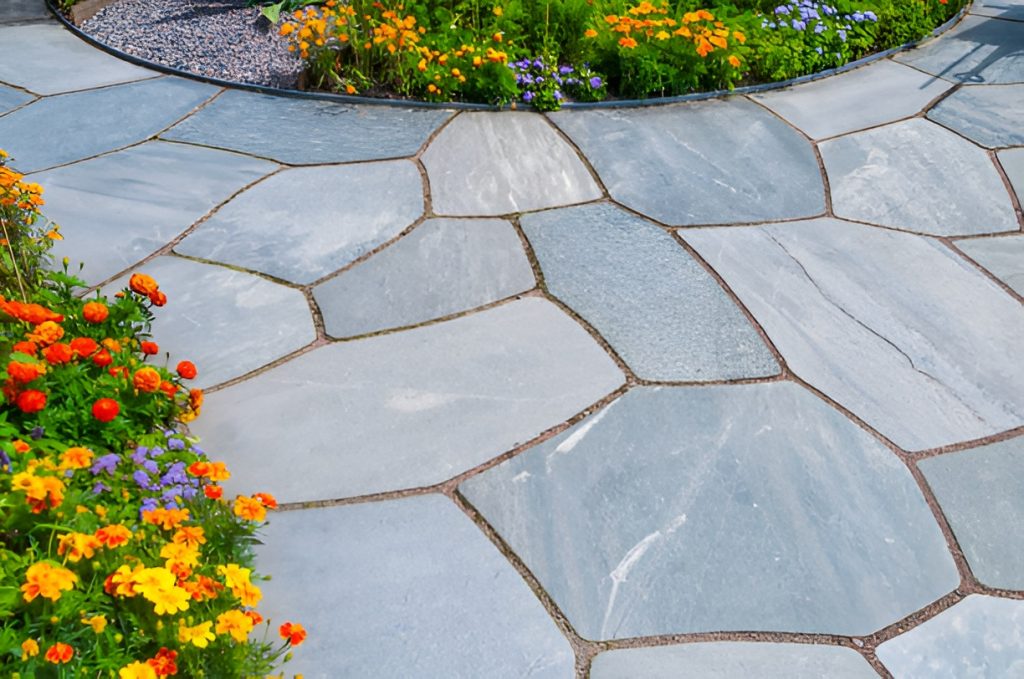
Rock pathways add structure and purpose to a garden while also improving usability. Instead of walking directly over soil or grass, pathways guide movement through the space in a controlled and visually appealing way.
These designs often blend stepping stones with gravel or small rocks, creating a natural flow through the yard. They also help divide larger gardens into defined sections without the need for solid fencing or walls.
A well-designed rock pathway feels both functional and decorative.
Key features include:
- Flagstone or stepping stone walkways
- Gravel fill between walking stones
- Rock edging for definition and structure
- Soft plants lining pathway edges
8. Modern Minimalist Rock Garden with Clean Lines
Modern rock gardens focus on geometry, structure, and simplicity. Unlike naturalistic designs, everything is intentional and often symmetrical or grid-based. This makes it a great fit for contemporary homes that emphasize clean architecture and uncluttered outdoor spaces.
The design usually limits plant variety and focuses more on stone placement, texture contrast, and negative space. The result is a polished, almost architectural outdoor look.
Key features include:
- Straight lines and geometric layouts
- Neutral-colored stones and gravel
- Minimal plant selection for consistency
- Large stone slabs or pavers
9. Japanese-Inspired Dry Landscape Garden
This style focuses on symbolism and balance, using rocks to represent natural elements like mountains, rivers, and islands. It is less about literal landscaping and more about creating meaning through placement and design.
The gravel is often carefully raked to represent movement, while stones are positioned asymmetrically to reflect natural landscapes.
Key features include:
- Asymmetrical stone arrangements
- Raked gravel patterns
- Minimal vegetation such as moss
- Emphasis on balance and symbolism
10. Rock Garden with Water Feature Integration
Adding water elements introduces movement and sound into a rock garden. This contrast between hard stone and flowing water creates a more dynamic outdoor environment.
Even small water features can significantly change the atmosphere, making the space feel more alive and relaxing.
Key features include:
- Small waterfalls integrated into rock structures
- Stone-edged ponds
- Dry creek beds using smooth gravel
- Fountain-style rock installations
11. Alpine Rock Garden for Cool Climate Landscapes
Alpine rock gardens are inspired by mountain environments and work especially well in cooler regions or sloped yards. They combine rocks with hardy, low-growing plants that thrive in well-drained soil.
The layered stone design helps mimic natural mountain terrain while improving drainage and preventing erosion.
Key features include:
- Layered stone arrangements on slopes
- Alpine flowers and hardy perennials
- Gravel mixed with soil for drainage
- Natural, uneven rock placement
12. Colorful Rock Garden with Flower Accents
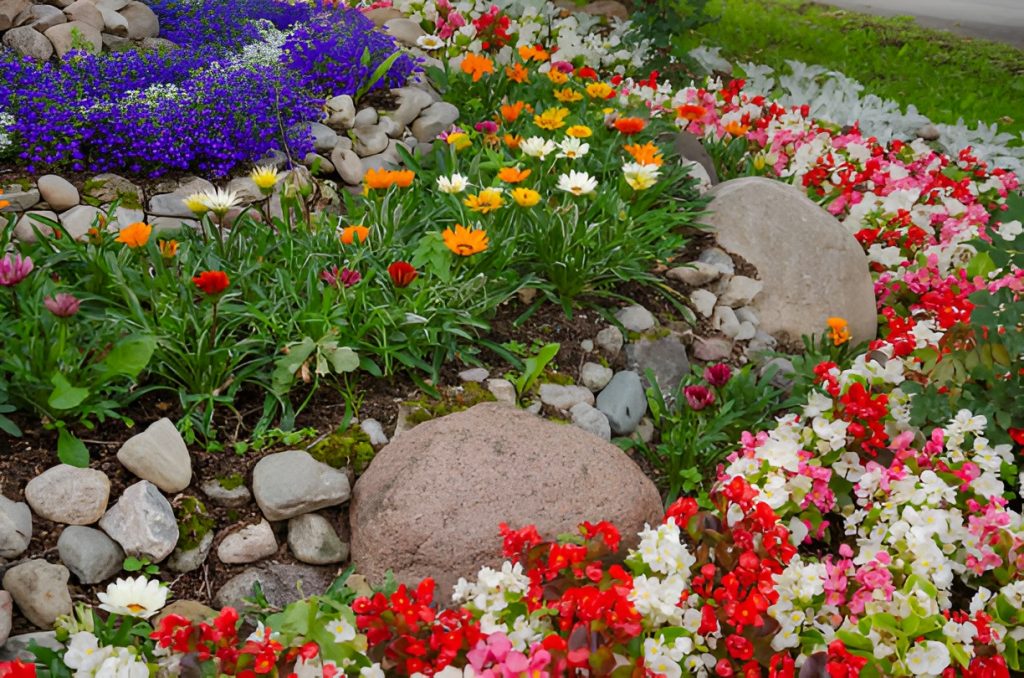
This design adds vibrancy to traditional rock gardens by incorporating flowering plants that contrast with neutral stone tones. It strikes a balance between structure and color, making it more visually dynamic.
The key is moderation—flowers should enhance the rock layout, not overpower it.
Key features include:
- Bright flowering plants like marigolds and petunias
- Neutral-toned rocks to highlight color
- Clustered planting for impact
- Seasonal plant rotation for variety
13. Sloped Yard Rock Garden for Erosion Control
Sloped yards can be difficult to manage, but rock gardens are ideal for stabilizing soil and preventing erosion. By using terraces and stone barriers, water flow is controlled while adding structure to the landscape.
This turns a challenging yard into a multi-level design feature.
Key features include:
- Terraced rock layers
- Retaining stone walls
- Gravel drainage channels
- Deep-rooted plants for soil stability
14. Coastal Rock Garden with Natural Drift Elements
Coastal rock gardens are inspired by seaside environments and emphasize softness, weathered textures, and natural flow. The design often feels relaxed and organic, similar to a beach landscape.
It’s especially effective for creating a calm, vacation-like atmosphere at home.
Key features include:
- Smooth pebbles and driftwood accents
- Light-colored sand and gravel
- Salt-tolerant plants
- Wave-inspired layout patterns
15. Mixed Texture Rock Garden for Visual Depth
A mixed texture rock garden combines different stone types and sizes to create depth and visual interest. Instead of using a single material, it layers gravel, cobblestones, and large boulders for a more natural and dynamic look.
This approach allows for creativity while still maintaining structure and low maintenance requirements.
Key features include:
- Multiple stone sizes and textures
- Layered planting for contrast
- Natural, unstructured layout
- Balanced use of color and form
Wrapping It Up
Rock gardens offer one of the most versatile and low-maintenance landscaping solutions available today. Whether you prefer a minimalist Zen design, a colorful flower-filled layout, or a functional backyard space, there’s a rock garden idea that fits your style and needs.
By choosing the right combination of rocks, plants, and layout techniques, you can create an outdoor space that not only looks great year-round but also requires far less maintenance than traditional landscaping.
If you’re planning to upgrade your yard, starting with a rock garden is one of the smartest and most rewarding design choices you can make.
