
Introduction: Building a Proactive Plan for Long-Term Home Performance
A home is one of the most important long-term investments a person can make, and maintaining that investment requires more than occasional repairs or cosmetic updates. Every system within a home—heating, cooling, plumbing, roofing, and structural components—works together to support comfort, safety, and efficiency. When one system begins to fail, it often affects the performance of others, leading to increased costs and avoidable damage.
Many homeowners fall into a reactive maintenance cycle, waiting until something breaks before taking action. While this may seem manageable in the short term, it often results in emergency repairs, unexpected expenses, and greater disruption to daily life. A proactive strategy, on the other hand, focuses on preventative care, regular inspections, and planned upgrades. This approach allows homeowners to address small problems before they become major structural or mechanical failures.
Modern homes are also more complex than ever before. Energy-efficient systems, advanced plumbing setups, and integrated technology all require ongoing monitoring and maintenance. As homes age, components naturally wear down due to weather exposure, seasonal temperature changes, and everyday use. Without regular attention, these systems lose efficiency and reliability.
Another important factor is how closely connected home systems are. Poor drainage can affect foundation stability, outdated heating systems can strain energy usage, and roofing issues can contribute to water intrusion and air quality problems. Understanding these relationships helps homeowners make smarter decisions about maintenance priorities and long-term investments.
This guide is designed to provide homeowners with practical strategies for maintaining and upgrading their properties in a thoughtful and organized way. By taking a structured approach to home care, it becomes possible to improve efficiency, reduce long-term expenses, and create a safer and more comfortable living environment for years to come.
Improve Indoor Comfort Through Efficient Climate System Planning
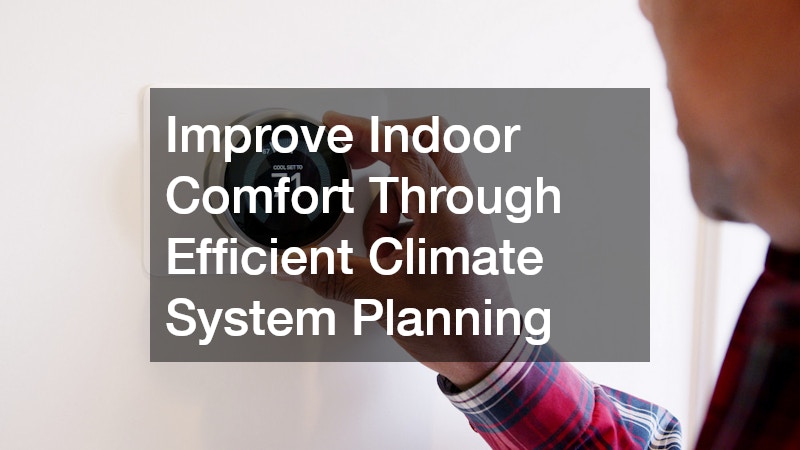
Indoor comfort depends heavily on the performance and efficiency of climate control systems. When cooling systems are outdated, improperly sized, or poorly maintained, they struggle to regulate indoor temperatures consistently. This not only reduces comfort but also increases energy consumption and operating costs.
One of the most important steps homeowners can take is evaluating the effectiveness of their current cooling setup. Systems that cycle too frequently, fail to cool evenly, or cause utility bills to rise significantly may no longer be operating efficiently.
Common signs that upgrades are needed include:
- Uneven temperatures between rooms
- Weak airflow from vents
- Excess humidity indoors
- Frequent system breakdowns
- Higher energy costs during warmer months
Professional ac installation ensures that systems are properly sized and configured for the home. An oversized unit may cool quickly but fail to remove humidity effectively, while an undersized unit can struggle to maintain desired temperatures.
Key considerations when planning upgrades:
- Home square footage and insulation quality
- Window placement and sun exposure
- Existing ductwork condition
- Energy efficiency ratings of new equipment
Improving cooling performance also involves supporting systems within the home. Air sealing, insulation upgrades, and proper ventilation all contribute to more efficient temperature control.
Additional strategies to improve comfort:
- Install programmable or smart thermostats
- Use ceiling fans to improve air circulation
- Keep outdoor units free from debris
- Replace filters regularly to maintain airflow
By combining efficient equipment with preventative maintenance and proper installation, homeowners can significantly improve indoor comfort while reducing long-term operating expenses.
Extend Equipment Lifespan with Routine Professional System Care
Heating and cooling systems are major investments, and protecting that investment requires regular care. Routine HVAC services help identify potential problems early, maintain energy efficiency, and extend the lifespan of critical equipment.
Many homeowners underestimate how much wear these systems experience throughout the year. Constant operation during extreme weather conditions places stress on components such as compressors, motors, coils, and ductwork. Without regular maintenance, these parts can deteriorate more quickly, resulting in expensive repairs or premature replacement.
Routine service appointments typically include:
- Cleaning coils and internal components
- Inspecting refrigerant levels
- Testing thermostat accuracy
- Checking electrical connections
- Evaluating airflow and duct performance
One of the biggest benefits of preventative maintenance is improved efficiency. Dirty filters and clogged components force systems to work harder than necessary, increasing both energy usage and equipment wear.
Homeowners should also pay attention to indoor air quality. Dust, pet dander, pollen, and mold particles can accumulate within HVAC systems over time, affecting both comfort and health.
Best practices for long-term system performance include:
- Replacing filters every one to three months
- Scheduling inspections before peak heating and cooling seasons
- Keeping vents unobstructed
- Monitoring unusual sounds or odors
Professional servicing also helps homeowners identify whether aging systems are still cost-effective to maintain. In some cases, repeated repairs indicate that replacement may provide better long-term value.
Consistent maintenance not only improves reliability but also creates a more comfortable and healthier indoor environment year-round.
Maintain Reliable Heat During Seasonal Temperature Changes
Heating systems are essential for maintaining comfort and safety during colder weather, especially in regions with long winters or fluctuating temperatures. A reliable heating system ensures consistent warmth while also supporting indoor air quality and energy efficiency.
Working with a heating contractor allows homeowners to evaluate system performance, identify inefficiencies, and address wear before it leads to breakdowns. Heating systems often show warning signs well before failure occurs, but these signs are frequently overlooked.
Indicators that furnace repairs may be necessary include:
- Uneven heating throughout the home
- Strange banging or rattling noises
- Frequent cycling on and off
- Sudden increases in heating bills
- Delayed system startup
Routine inspections and preventative maintenance are critical for extending equipment lifespan. Dust buildup, worn components, and airflow restrictions all reduce efficiency and place unnecessary stress on the system.
Preventative heating maintenance should include:
- Cleaning burners and heat exchangers
- Replacing air filters regularly
- Checking ventilation systems for blockages
- Testing thermostat calibration
Safety is another important concern. Faulty heating systems can create carbon monoxide risks or electrical hazards if not properly maintained.
Homeowners should also consider long-term efficiency improvements. Modern heating systems are designed to operate more efficiently than older models, often reducing monthly energy costs significantly.
Additional ways to improve heating performance:
- Seal drafts around doors and windows
- Improve insulation in attics and crawl spaces
- Use zoning systems for better temperature control
- Schedule annual professional inspections
By staying proactive, homeowners can reduce the likelihood of emergency repairs while maintaining a safe and comfortable indoor environment.
Protect Structural Stability by Addressing Foundation Concerns Early
The foundation is one of the most critical structural elements of any home. When foundation problems develop, they can affect walls, flooring, roofing alignment, plumbing systems, and overall structural safety. Because issues often begin gradually, early detection is essential for preventing extensive damage.
Foundation movement is commonly caused by:
- Expanding and contracting soil
- Poor drainage around the property
- Excess moisture accumulation
- Tree root intrusion
- Inadequate initial construction
Warning signs homeowners should monitor include:
- Cracks in walls or ceilings
- Uneven or sloping floors
- Doors and windows sticking or misaligning
- Gaps around window frames or trim
Professional foundation repair services help assess the severity of these issues and determine appropriate solutions before structural problems worsen.
Preventative measures include:
- Maintaining proper drainage away from the home
- Keeping gutters and downspouts clear
- Monitoring soil moisture levels during dry seasons
- Addressing plumbing leaks quickly
Structural stability is closely connected to water management. Poor drainage allows water to collect near the foundation, weakening soil and increasing movement over time.
Regular inspections help homeowners identify small changes before they escalate into major structural repairs. Protecting the foundation ultimately protects every other system in the home.
Improve Water Efficiency and Modernize Plumbing Systems
Plumbing systems are essential for delivering clean water and supporting daily household activities. As homes age, outdated plumbing infrastructure can reduce efficiency, increase water waste, and create costly maintenance issues.
A plumbing company can assess system performance and identify opportunities for upgrades that improve both efficiency and reliability. One increasingly popular improvement is the installation of a tankless water heater.
Unlike traditional water heaters that continuously store heated water, tankless systems heat water only when needed. This approach offers several advantages:
- Reduced energy consumption
- Continuous hot water availability
- Space-saving design
- Longer system lifespan
Homeowners should also monitor signs of plumbing inefficiency, including:
- Low water pressure
- Frequent leaks or pipe corrosion
- Rising water bills
- Slow drainage or recurring clogs
Preventative plumbing maintenance includes:
- Inspecting visible pipes regularly
- Addressing leaks immediately
- Avoiding chemical drain cleaners
- Flushing water heaters periodically
Modernizing plumbing systems not only improves convenience but also supports long-term cost savings through improved water efficiency and reduced repair needs.
Use Safer Excavation Methods for Underground Infrastructure Projects
Excavation projects are often necessary for plumbing upgrades, drainage improvements, utility installation, or landscaping changes. Traditional digging methods, however, can damage underground utilities and create unnecessary disruption.
Hydro excavation offers a safer and more precise alternative. This method uses pressurized water and vacuum technology to remove soil without damaging underground infrastructure.
Advantages of hydro excavation include:
- Reduced risk of utility damage
- Greater precision around buried lines
- Safer working conditions
- Less disruption to surrounding landscapes
This method is especially useful for projects involving:
- Utility line exposure
- Drainage system installation
- Plumbing repairs
- Foundation-related excavation work
Because the process is more controlled, it minimizes unnecessary excavation and reduces cleanup requirements after project completion.
Proper planning is still essential for successful excavation projects. Homeowners should coordinate with contractors to ensure underground utilities are identified before work begins.
Using advanced excavation methods helps protect existing infrastructure while improving project efficiency and safety.
Protect Your Home from Moisture and Exterior Damage
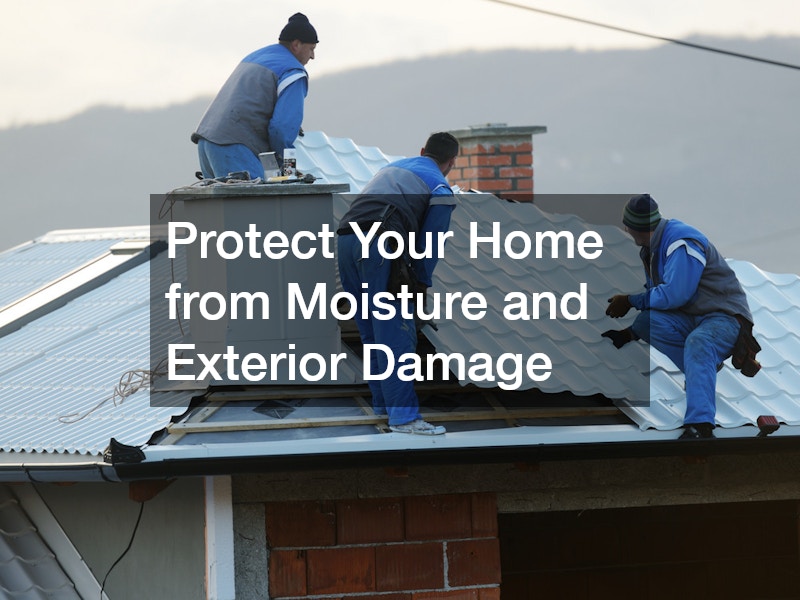
The roof is one of the most important barriers protecting a home from environmental exposure. Rain, snow, wind, and sunlight all place stress on roofing materials over time, making regular inspections and maintenance essential.
A roofing company can identify early signs of wear and recommend repairs before leaks or structural damage develop.
Common warning signs include:
- Missing or damaged shingles
- Water stains on ceilings
- Sagging roof sections
- Granules accumulating in gutters
Preventative maintenance strategies include:
- Cleaning gutters regularly
- Inspecting flashing around vents and chimneys
- Trimming overhanging branches
- Checking attic spaces for moisture buildup
Proper ventilation also plays a major role in roof performance. Poor airflow can trap moisture and heat, accelerating material deterioration.
Routine roof maintenance extends lifespan, improves energy efficiency, and protects the entire home from moisture-related damage.
Coordinate Multiple Home Maintenance Tasks Efficiently
Managing home systems effectively requires organization and coordination. Without a structured maintenance plan, important tasks can be delayed or overlooked entirely.
Creating a seasonal maintenance schedule helps homeowners stay proactive and reduce emergency repair risks.
Effective coordination strategies include:
- Grouping inspections and repairs together
- Tracking maintenance records digitally
- Prioritizing structural and safety-related issues first
- Scheduling preventative services before seasonal demand increases
Coordination also improves communication with contractors and helps homeowners budget more effectively over time.
A well-organized maintenance strategy reduces stress while ensuring all major systems remain in good condition.
Budgeting for Repairs, Upgrades, and Long-Term Home Improvements
Homeownership requires ongoing financial planning. Unexpected repairs can create significant stress if homeowners are unprepared.
Building a dedicated maintenance fund helps ensure repairs and upgrades can be completed promptly without unnecessary financial strain.
Important budgeting practices include:
- Setting aside monthly maintenance savings
- Comparing contractor estimates carefully
- Prioritizing essential system repairs first
- Planning major upgrades in phases
Tracking expenses over time also helps homeowners identify recurring issues and improve future planning decisions.
A proactive financial strategy supports long-term property stability and allows homeowners to invest confidently in improvements.
Increase Property Value Through Strategic System Improvements
Well-maintained homes consistently retain greater value and attract more buyer interest. Strategic upgrades improve both daily comfort and long-term resale potential.
High-impact improvements often include:
- Energy-efficient system upgrades
- Structural maintenance and repairs
- Improved drainage and moisture protection
- Modernized plumbing and climate systems
Documentation also matters. Keeping records of repairs, inspections, and upgrades increases buyer confidence and demonstrates consistent care.
Balancing functionality with efficiency and durability helps homeowners maximize both comfort and long-term property value.
Conclusion: Creating a Stable, Efficient, and Comfortable Home
A successful home maintenance strategy is built on consistency, planning, and proactive decision-making. Rather than waiting for problems to escalate, homeowners who prioritize inspections, maintenance, and strategic upgrades are better equipped to protect both their comfort and their financial investment.
Every home system contributes to overall performance. Heating and cooling systems maintain indoor comfort, plumbing supports daily functionality, structural components provide stability, and roofing protects against environmental damage. When these systems are maintained together as part of a coordinated strategy, the home becomes more efficient, reliable, and resilient.
One of the most important lessons homeowners can apply is the value of prevention. Small warning signs rarely disappear on their own. Addressing issues early not only reduces repair costs but also helps avoid larger disruptions that can affect multiple systems at once.
Long-term planning also creates greater financial flexibility. By budgeting for maintenance and phased upgrades, homeowners can avoid the stress of emergency spending while making more informed decisions about improvements.
Ultimately, maintaining a home is about more than preserving appearance—it is about creating a safe, comfortable, and efficient environment that continues to perform well for years to come. With a thoughtful and proactive approach, homeowners can protect their investment, improve quality of life, and ensure their property remains a dependable and valuable asset well into the future.
