Highlights
- The most essential garden supplies cover four categories: digging tools, cutting tools, irrigation equipment, and protective gear.
- A quality trowel, spade, and pruners handle the vast majority of routine garden tasks.
- Soil testing supplies belong on every essential list, since amendments should always be based on actual results.
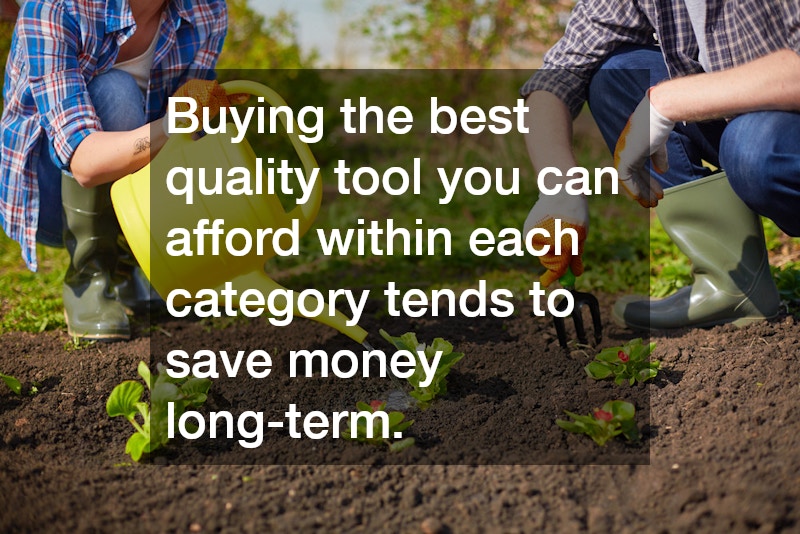
- Buying the best quality tool you can afford within each category tends to save money long-term.
- Proper tool maintenance, including cleaning and sharpening, significantly extends the life of a garden investment.
- Matching supplies to your specific garden size and tasks matters more than buying every available tool.
What Are the Most Essential Garden Supplies to Own?
The most essential garden supplies fall into four core categories: tools for digging and turning soil, tools for cutting and pruning, equipment for watering, and protective gear to keep you safe while working. Rather than trying to acquire every specialized tool available, most home gardeners get the most value from a focused set of quality basics that handle the majority of routine tasks.
According to NC State Extension’s Gardener Handbook, it isn’t necessary for home gardeners to own every type of garden equipment, since only a few tools are more useful for certain crops than others, and the better approach is buying only what you need and choosing the best quality version you can afford. Building a garden supply collection with this focused mindset, rather than accumulating tools impulsively, tends to serve most home gardens far better in the long run.
What Digging and Turning Tools Should You Prioritize?
Digging and soil preparation tools form the foundation of nearly every garden task, and a few specific options cover most needs:
- Round-pointed shovel — an all-purpose tool for digging, turning soil, and harvesting root crops
- Spade — used for cutting through heavy soil, removing sod, and creating clean edges
- Garden fork — ideal for mixing compost and loosening compacted soil without excessive effort
- Trowel — the go-to tool for transplanting, potting, and light digging in tighter spaces
- Bow rake — smooths soil, removes stones, and breaks up clods before planting
According to UC Marin Master Gardeners, a good shovel should have a round point for general digging with a wide scoop for moving lightweight material, while a spade works better for cutting and digging through heavy soil and edging garden beds. Having both on hand, rather than trying to make one tool do the work of the other, makes a noticeable difference in how much effort each task takes.
What Cutting Tools Handle Most Garden Maintenance?
Beyond digging, cutting tools are essential for keeping plants healthy and manageable throughout the growing season. A pair of bypass hand pruners handles the bulk of routine pruning, since their scissor-like action creates clean cuts that reduce tearing and crushing of plant tissue compared to anvil-style pruners, which are better reserved for dead branches only. For thicker branches beyond what hand pruners can manage, a pruning saw with a curved or straight blade extends your cutting capacity significantly, cutting only on the pull stroke for cleaner results. A hori hori knife, a versatile Japanese gardening tool, rounds out this category nicely, since it handles everything from light digging to dividing flowers to uprooting stubborn weeds. Together, these three tools cover nearly every cutting task a home garden requires without needing an overwhelming specialty collection.
What Irrigation and Watering Equipment Do You Need?
Consistent watering is non-negotiable for a thriving garden, and the right equipment makes the difference between efficient watering and wasted time and water. A watering can remains essential for gently watering delicate transplants without disturbing young roots. Garden hoses and soaker hoses handle general watering needs across larger areas, while drip irrigation systems place water precisely where and when it’s needed, reducing both waste and the time spent standing with a hose. For gardeners managing multiple beds or a larger yard, investing in a simple timer for drip or soaker systems adds convenience without much added cost, ensuring consistent watering even when a schedule gets busy.
Why Does Soil Testing Belong on Every Essential List?
It’s easy to overlook soil testing supplies when thinking about garden essentials, but skipping this step often undermines everything else in a garden. According to Illinois Extension, a soil test is an excellent way to gauge current soil productivity, discover underlying issues, and plan appropriate amendments, and testing is generally recommended every three years rather than annually. Applying fertilizer or amendments without a soil test essentially means guessing, which can waste money on nutrients your soil doesn’t need or, worse, contribute to nutrient runoff that affects local water quality. A basic soil sampling kit, or simply a clean container and access to a local extension testing service, belongs on every essential garden supplies list right alongside the more obvious hand tools.
What Protective Gear Should You Never Skip?
Protective equipment often gets overlooked in favor of more exciting purchases, but it directly affects how comfortable and safe gardening actually is. A quality pair of gloves protects hands from thorns, blisters, and prolonged soil exposure, with water-resistant, breathable materials generally performing best for extended wear. Sun protection, including a wide-brimmed hat and sunscreen, matters just as much for anyone spending regular hours outdoors. A kneeling pad or garden bench reduces strain on knees and the lower back during extended planting or weeding sessions, which becomes especially valuable during larger seasonal projects. None of this gear is glamorous, but skipping it tends to catch up with gardeners physically after a season or two of neglect.
How Should You Approach Buying and Maintaining Your Supplies?
Once you’ve identified the essentials, how you buy and care for them matters as much as the initial purchase. Prioritize quality over quantity within each category, since a well-made trowel or pair of pruners will outlast several cheaper versions and perform noticeably better in the process. After purchasing, regular maintenance extends the life of every investment: clean tools after each use, keep cutting edges sharp for safer and more effective cuts, tighten loose hardware, and store everything in a dry, organized space. Taking these small steps consistently, rather than letting tools sit outside or go unused for months, is what actually determines whether a set of garden supplies lasts for years or needs frequent replacement.
What’s the Bottom Line on Building Your Garden Supply Kit?
Building an essential garden supplies collection doesn’t require buying everything available at a garden center; it requires thoughtfully covering four core categories: digging and turning tools, cutting tools, irrigation equipment, and protective gear, while not forgetting the often-overlooked value of soil testing. Prioritizing quality within each category, rather than accumulating specialty tools you’ll rarely use, tends to serve most home gardens far better over time. Proper maintenance then protects that investment, ensuring the supplies you’ve chosen keep performing well season after season. With this focused approach, most home gardeners find they need far less than they initially expect to keep a garden thriving.