
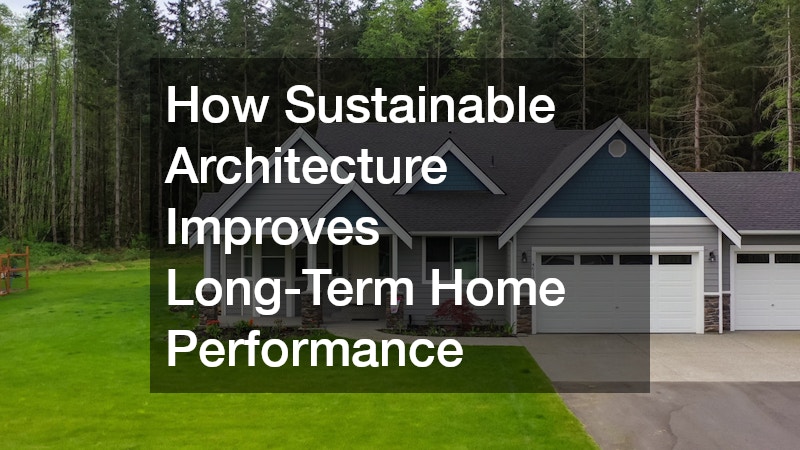
When people think about a high-performing home, they often focus on visible features such as modern finishes, attractive landscaping, or smart technology. While those elements can certainly enhance a property, long-term performance is determined by something much deeper: the decisions made during planning and design.
A home that performs well for decades is one that uses resources efficiently, withstands environmental challenges, adapts to changing needs, and minimizes expensive repairs. Sustainable design is not simply about reducing environmental impact. It is also about creating homes that remain comfortable, durable, and cost-effective throughout their lifespan.
The most successful projects take a long-range view. Instead of prioritizing the lowest initial construction cost, they focus on how every design choice affects maintenance, operating expenses, resilience, and homeowner satisfaction over time.
Starting With a Whole-Property Strategy

A common mistake during residential construction is treating individual systems as separate components. The roof, drainage, water systems, landscaping, and living spaces are often planned independently. Sustainable design works differently by considering how these elements interact with one another.
For example, a building design firm that specializes in integrated planning may evaluate sun exposure, prevailing winds, drainage patterns, insulation levels, and future maintenance requirements before construction begins. This comprehensive approach often prevents costly issues that emerge years later.
Likewise, sustainable architecture encourages homeowners to think beyond immediate needs. A family building a house today may require different spaces ten years from now. Flexible layouts, adaptable rooms, and efficient infrastructure can accommodate those changes without major renovations.
Rather than asking, “What is the cheapest option today?” a better question is, “What solution will perform best over the next twenty years?”
That shift in perspective often leads to better outcomes across every area of the property.
Designing Water Systems for Long-Term Reliability
Water is one of the most important resources in any home, yet many property owners only think about it when a problem occurs.
Properties located in rural or developing areas require especially careful planning. Before construction begins, evaluating groundwater availability and future demand can help avoid shortages and expensive modifications later. In many cases, residential drilling services play an important role in establishing a dependable water source that supports long-term household needs.
However, securing access to water is only part of the equation. Maintaining water quality is equally important.
Water filtration systems can significantly improve drinking water quality while also protecting plumbing fixtures and household appliances. Minerals, sediment, and contaminants can gradually damage pipes, water heaters, washing machines, and dishwashers. Removing these substances often extends equipment lifespan and reduces maintenance expenses.
Homeowners who prioritize water efficiency typically focus on:
- Low-flow fixtures
- Smart irrigation systems
- Leak monitoring technology
- Efficient landscaping practices
- Regular water quality testing
These strategies reduce resource consumption while helping critical systems perform more effectively over time.
Managing Rainwater Before It Becomes a Problem

Water damage is among the most expensive and disruptive issues homeowners face. Fortunately, many of these problems can be prevented through thoughtful site planning.
Imagine two homes built on similar lots. One property directs rainwater away from the structure using proper grading, effective drainage systems, and strategic landscaping. The other allows water to accumulate around the foundation.
After several years, the differences become apparent. The first home experiences fewer moisture issues, less soil erosion, and reduced maintenance costs. The second may develop foundation concerns, basement leaks, or landscaping damage.
Exterior water management also affects the building envelope. When drainage systems fail, excessive moisture can accelerate deterioration throughout the property.
For this reason, gutter replacement is often more than a cosmetic upgrade. Properly functioning gutters help move water away from foundations, siding, and walkways before damage occurs.
Similarly, many instances of roof repair stem from preventable moisture-related issues. Sustainable design incorporates roof slopes, drainage pathways, ventilation systems, and durable materials that help structures withstand weather exposure for many years.
The goal is not simply repairing damage after it occurs. The goal is creating conditions that prevent the damage in the first place.
Creating Outdoor Spaces That Support Efficiency
Outdoor living spaces have become increasingly important in residential design. Patios, gardens, entertainment areas, and recreational amenities can enhance property value and improve quality of life.
However, these features should be designed with long-term performance in mind.
A well-designed landscape does more than look attractive. It can help manage stormwater, reduce erosion, lower irrigation requirements, and improve energy efficiency by providing natural shade.
One increasingly common example involves swimming pools. While pools can be a valuable addition, they also introduce energy and maintenance considerations.
Working with an experienced pool company allows homeowners to evaluate factors such as:
- Optimal placement for energy efficiency
- Appropriate sizing based on actual usage
- Efficient filtration systems
- Water conservation opportunities
- Long-term maintenance requirements
A poorly planned pool may increase operating expenses significantly. A thoughtfully designed installation can deliver years of enjoyment while minimizing resource consumption.
Sustainable outdoor design focuses on balancing lifestyle goals with long-term practicality.
Choosing Materials That Last Longer
Many homeowners focus heavily on appearance when selecting construction materials. While aesthetics matter, durability often has a much greater impact on long-term performance.
Materials exposed to weather, moisture, temperature fluctuations, and daily use experience continuous stress. Choosing products designed for local conditions can significantly reduce repair and replacement costs.
For example, masonry systems require ongoing monitoring to ensure they remain structurally sound. Small cracks or signs of deterioration can quickly develop into larger concerns if ignored.
Chimney repair is a good example of preventive maintenance that supports overall home performance. Addressing minor masonry issues early often prevents more extensive structural damage later. Regular inspections can identify potential concerns before they become safety hazards.
When evaluating materials, homeowners should consider several factors:
- Expected lifespan
- Maintenance requirements
- Climate suitability
- Repairability
- Energy performance
The most sustainable material is often the one that lasts the longest while requiring the fewest resources to maintain.
Maintaining Critical Systems Before Failures Occur
Some of the most expensive home repairs result from neglect rather than unavoidable circumstances.
Mechanical systems tend to deteriorate gradually. Small performance issues often develop months or years before a complete failure occurs. Unfortunately, these early warning signs frequently go unnoticed.
A proactive maintenance strategy can dramatically improve system longevity.
Consider water delivery infrastructure. Routine pump service helps ensure that equipment operates efficiently and reliably. Minor adjustments, inspections, and repairs often prevent larger failures that could disrupt household operations and generate significant expenses.
The same principle applies to access systems throughout the property. A garage door opener may seem like a relatively simple device, but regular maintenance can extend its lifespan considerably. Lubrication, alignment checks, and safety inspections help identify issues before they escalate into costly repairs.
Homeowners who maintain detailed service schedules frequently experience:
- Fewer emergency repairs
- Lower long-term maintenance costs
- Better system performance
- Improved safety
- Greater equipment lifespan
The difference between reactive and preventive maintenance often becomes apparent only after several years, when one property continues operating efficiently while another requires major replacements.
Understanding the Financial Impact of Long-Term Performance
One of the biggest misconceptions about sustainable home design is that it is primarily an environmental decision. While environmental benefits are certainly important, many homeowners are motivated by something more immediate: financial stability.
A high-performing home often costs less to operate throughout its lifespan. Lower utility bills, fewer emergency repairs, and longer-lasting building materials can create significant savings over time. Although some sustainable features may require a larger initial investment, the cumulative financial benefits frequently outweigh those upfront costs.
Consider the difference between replacing a major building component every 10 years versus every 30 years. The initial purchase price only tells part of the story. Labor costs, material inflation, disruption to daily life, and potential collateral damage all contribute to the true cost of ownership.
This is why lifecycle thinking has become such an important part of modern residential planning. Instead of evaluating decisions based solely on installation costs, homeowners are increasingly examining total ownership expenses over decades.
Questions worth asking during the design phase include:
- How long is this product expected to last?
- What maintenance will it require?
- How difficult will repairs be?
- Will replacement parts remain available?
- How does it perform under local climate conditions?
These considerations often reveal that the least expensive option today may become the most expensive option in the future.
Improving Indoor Comfort Throughout the Year
Home performance is not only measured by efficiency and durability. Comfort also plays a major role in determining whether a home successfully supports its occupants over time.
Many homeowners have experienced rooms that are consistently too hot in the summer or too cold during the winter. Others struggle with drafts, humidity issues, inconsistent temperatures, or poor indoor air quality.
These problems are often symptoms of design decisions rather than equipment failures.
Sustainable design focuses on creating stable indoor environments by considering factors such as building orientation, insulation levels, air sealing, window placement, and natural ventilation strategies. When these elements work together effectively, the home requires less energy to maintain comfortable conditions.
For example, strategically placed windows can allow natural daylight to penetrate living spaces while minimizing unwanted heat gain. Proper insulation helps maintain consistent temperatures throughout the home. Thoughtful ventilation systems improve air quality without sacrificing efficiency.
The result is often a living environment that feels more comfortable regardless of outdoor conditions.
Many homeowners notice benefits such as:
- More consistent room temperatures
- Fewer drafts
- Reduced humidity fluctuations
- Better indoor air quality
- Improved overall comfort
These improvements may seem subtle on a daily basis, but they contribute significantly to long-term satisfaction with a property.
Strengthening Resilience Against Future Challenges
Modern homeowners face a variety of challenges that previous generations may not have anticipated. Severe weather events, changing climate conditions, rising utility costs, and aging infrastructure can all affect home performance.
Sustainable design helps prepare properties for these uncertainties.
Rather than focusing solely on current conditions, resilient homes are designed to withstand future stressors. This might involve selecting more durable materials, improving drainage systems, enhancing insulation, or creating backup infrastructure for critical systems.
For instance, a home designed to handle heavier rainfall can better withstand changing weather patterns. A property with efficient energy systems may be less vulnerable to rising utility costs. Durable construction materials can continue performing effectively despite decades of environmental exposure.
Resilience is not about predicting every future challenge. It is about creating a home that can adapt, recover, and continue functioning effectively when circumstances change.
When viewed through this lens, sustainable design becomes more than an environmental strategy or a cost-saving measure. It becomes a practical approach to protecting one of the most important investments most people will ever make—their home.
Planning Spaces That Adapt Over Time
A sustainable home should not only perform well today. It should also remain functional as household needs evolve.
Life circumstances change. Families grow, children leave home, work arrangements shift, and mobility requirements may develop over time. Homes that accommodate these transitions tend to provide greater long-term value.
Adaptable design can take many forms.
A guest bedroom may eventually become a home office. A first-floor flex space might support aging-in-place strategies. Storage areas can be designed to accommodate future technology upgrades.
Flexibility reduces the need for extensive renovations while helping homeowners maximize the usefulness of existing space.
One practical approach involves designing infrastructure with future improvements in mind. Accessible utility pathways, flexible wiring systems, and adaptable mechanical layouts make upgrades easier and less expensive later.
Instead of locking homeowners into a single use pattern, sustainable design encourages spaces that can evolve naturally over time.
Monitoring Performance and Making Continuous Improvements
Even the best-designed home benefits from ongoing evaluation.
Performance is not a static characteristic. Energy usage, water consumption, maintenance needs, and comfort levels change as equipment ages and household habits evolve.
Successful homeowners pay attention to these changes and adjust accordingly.
Tracking utility bills can reveal emerging inefficiencies. Monitoring water consumption may identify leaks before significant damage occurs. Annual inspections can uncover developing maintenance issues that might otherwise remain hidden.
Many homeowners find it useful to establish a long-term improvement plan that prioritizes upgrades based on performance impact and budget considerations.
Such a plan might include:
- Annual system inspections
- Scheduled maintenance activities
- Energy efficiency improvements
- Water conservation upgrades
- Future renovation goals
Rather than approaching homeownership as a series of unexpected repairs, this strategy creates a structured roadmap for maintaining performance.
Over time, these small decisions accumulate into substantial benefits.
Building for Decades Rather Than Years
The true value of sustainable design becomes apparent over the long term. Homes that are carefully planned, thoughtfully constructed, and consistently maintained tend to outperform their counterparts in nearly every category.
They often consume fewer resources, require fewer major repairs, provide greater comfort, and retain value more effectively. Just as importantly, they adapt more successfully to changing environmental conditions and evolving homeowner needs.
Long-term home performance is rarely the result of a single feature or technology. Instead, it emerges from countless decisions that work together to create a resilient, efficient, and durable living environment.
By focusing on thoughtful planning, proactive maintenance, and continuous improvement, homeowners can create properties that continue delivering benefits for decades to come.
